Financial Ops, Evolved: From Task Work to Exception Management
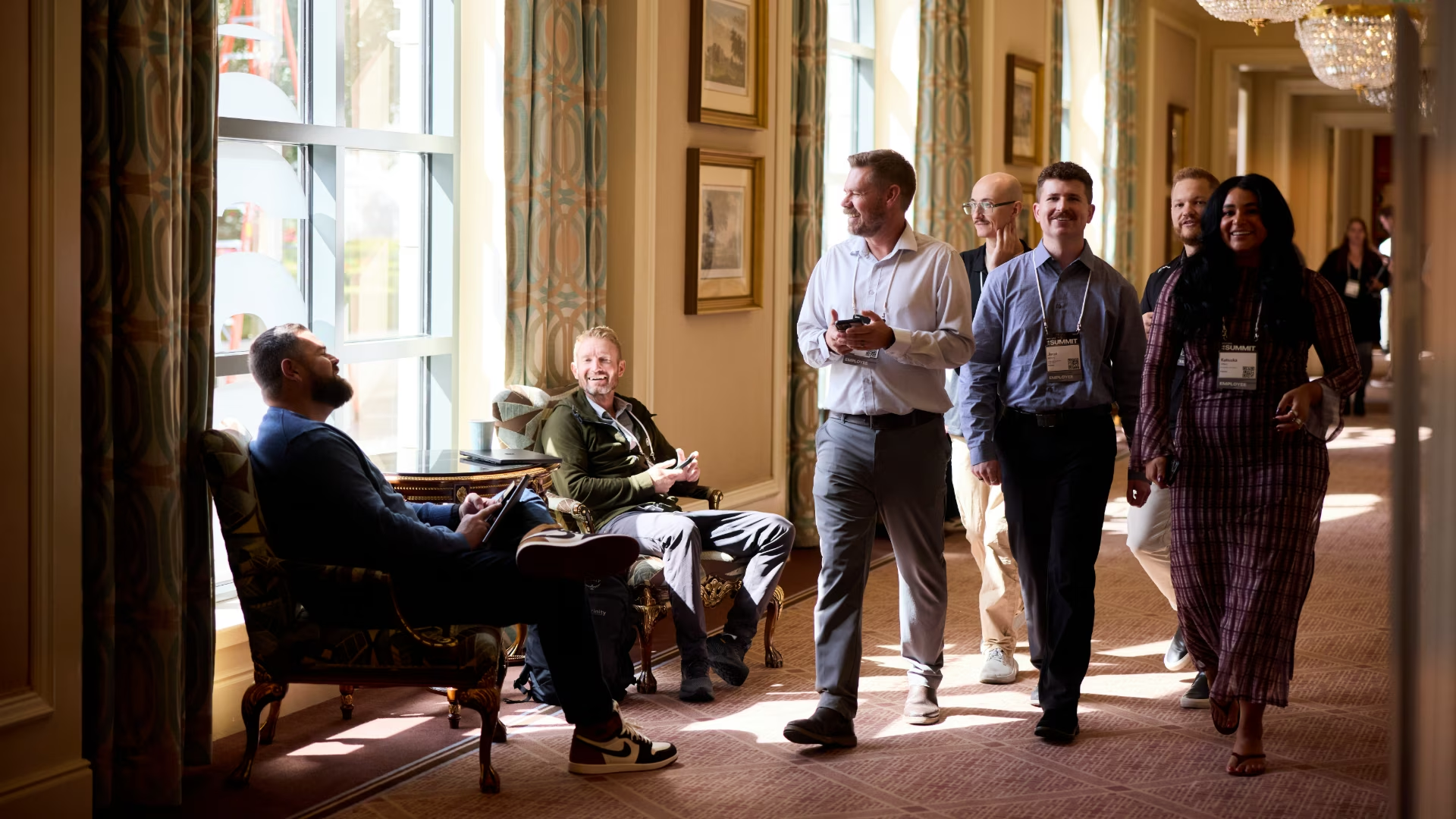
At Entrata® Summit in September 2026, Stephen Dangerfield of Entrata sat down with Natalie Lansangan of Hanover and Lance Goss of HHHunt Property Management to talk about a familiar operational burden: invoices that move through too many hands before they’re ready to be paid.
For Goss, the need to change became clear during a property visit. A community manager had a stack of invoices on her desk and was taking them home to code after hours because interruptions made it difficult to finish during the workday. Goss wanted that time back for work that depends on being present with residents and prospects.
From processing every invoice to reviewing exceptions
Before Hanover adopted invoice processing, invoices arrived through mail, email, properties, and internal departments. An accounts payable team of two to five specialists sorted, scanned, uploaded, coded, and routed them for approval. When Houston weather events kept employees out of the office, invoices could sit for weeks.
Lansangan said the shift to Invoice Processing, Bill Pay, and Utility Expense Management has helped Hanover handle its highest property count in her 19 years with the company with two AP specialists. They spend less time scanning and sorting and more time learning the work behind the numbers.
At HHHunt, Invoice Processing changed the day-to-day load for onsite teams. Goss said a busy invoice day could take half a day, and one community manager had been spending hours at home finishing the work. The transition was not immediate: the first month brought incomplete invoices, and the second was still a learning period. By month four, Goss said, staff were welcoming him with high fives and telling him how much the change had relieved their workload.
The people and process behind the tools
Both operators emphasized that automation still needs active oversight, especially early on. Goss advised teams to scrutinize invoices as they come in and avoid bulk approving them during the first months. The system needs correction and feedback as it learns how invoices should be coded. He also encouraged operators to notify vendors early, explain the new process, and make clear how it can help them get paid faster.
Hanover has paired the technology with regular coordination between accounting and operations. Lansangan described an Entrata-focused committee that brings senior members of both teams together monthly, with additional meetings when needed. Their discussions helped them address shared pain points and build a process with more visibility and fewer handoffs.
Vendors are part of that process, too. Hanover reported that about 40% of its Bill Pay transactions were made by ACH and about 10% by virtual card. Lansangan said consistent communication—including reminders in vendor replies and updated contract information—helped move vendors toward the new submission and payment options.
Progress, with work still ahead
The panel was candid that some workflows remain harder to automate. HHHunt’s single-phase communities are working well with Invoice Processing, while its multiphase properties require additional steps to allocate invoices. Hanover also described ongoing needs around vendor-account approvals and notification visibility.
That honesty was part of the session’s practical message: moving from task work to exception management takes more than switching on a tool. Operators need to map the current process, start with a focused pilot, communicate changes to employees and vendors, and make time to review what the system is handling. As routine work shifts, people can focus more of their attention on exceptions—and on the residents and prospects who still need a person.
Interested in seeing what Entrata can do for you?
See how Entrata can transform your operations.