Beyond the Amenity List: Creating an Experience Residents Remember
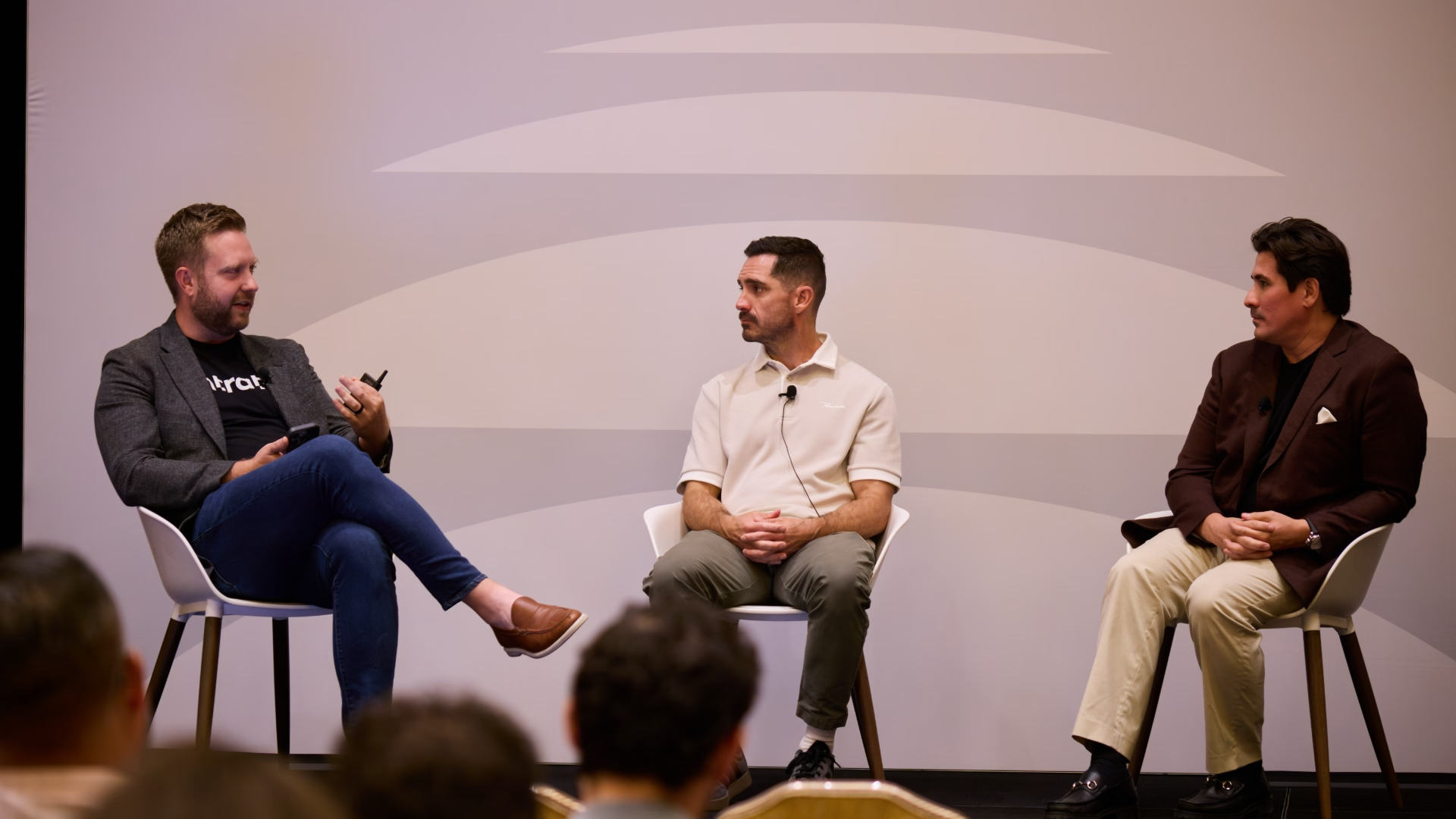
Alex Buchanan, Head of Homebody™ at Entrata®, brought Kainoa Clark, CMO of Wasatch Property Management, and Kevin Cheesman, VP of Enterprise & Partnerships at Pura to Entrata Summit in September to explore what multifamily can learn from hospitality. The conversation started with a familiar industry question: as communities compete on pools, gyms, and other amenities, what makes the experience itself stand out?
For Clark, the answer begins with how teams think about the people who live in their communities. Wasatch has long emphasized a people-first culture, reflected in everyday language as well as service standards. The company says “residents” and “team members,” for example, and its three-hour service response is a consistent expectation rather than an amenity added to a brochure.
That distinction matters because hospitality is built through repeated interactions. Clark described how Wasatch considers the experience across model units and leasing offices, from music and cleanliness to accessibility and small details like offering a mint after a tour. A resident or prospective renter may forget the carpet, he suggested, but remember how the visit felt.
Sensory details can carry a brand
The panel explored scent as one way to shape that feeling. Cheesman explained how Pura’s app-controlled diffusers let organizations adjust fragrance intensity and schedule by space and time. In a multifamily setting, a community could create different experiences for a model unit, a lobby, or a move-in day, while managing the system across multiple locations.
Pura’s work with Studio McGee offered an example of connecting scent to a larger design idea. Rather than choosing a fragrance in isolation, the collaboration began with the mood and feeling the room was meant to create. The scent became one more part of the environment, alongside color, furnishings, lighting, and the way people move through the space.
The discussion also made room for operational realities. Clark noted that experience needs to hold up across a portfolio and reflect what residents actually value. Pura’s current products, Cheesman said, were suited to smaller spaces, with larger commercial applications still in development at the time of the session. That kind of fit matters when a concept moves from a single showcase property to everyday use.
Measure what residents experience
Clark pointed to reputation scores as an important signal of how residents experience a community. Leasing activity, tours, conversion, and renewals can add context: if people visit but choose another property, or residents decide not to renew, operators have a reason to look more closely at the moments in between.
That perspective also connects to Homebody Perks, which Buchanan introduced as an effort to bring useful resident benefits into the experience. The panel’s examples—from responsive maintenance to personalized amenities—pointed to a common discipline: understand what residents value, choose touchpoints that support that promise, and make them consistent enough for teams to deliver.
Hospitality at scale comes from making those choices deliberately. When service standards, sensory details, and resident feedback work together, the experience can feel distinctive without relying on a bigger amenity list alone.
Interested in seeing what Entrata can do for you?
See how Entrata can transform your operations.